Water Shaping Places

Through using an interactive river model, students gain an understanding of how rivers work, the different components of river systems and how natural and human actions affect them – particularly in an urban context – and how we can apply sustainable environmental management practices to our water systems.
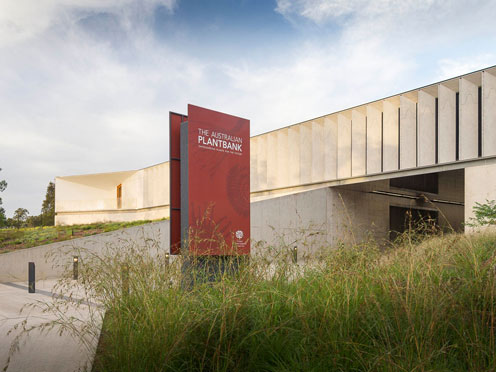
The culvert and bridge in the Royal Botanic Gardens surrounded by tree ferns.
Stage

Stage 4

Subject

Geography

Duration

2 hours

Location

Rathborne Lodge, Royal Botanic Garden Sydney

View on map
Cost

Minimum charges apply. Discounts apply for full day programs!

View excursions pricing

Through using an interactive river model, students gain an understanding of how rivers work and the different components of river systems.

They will also learn how natural and human actions affect them – particularly in an urban context – and how we can apply sustainable environmental management practices to our water systems.

Students will

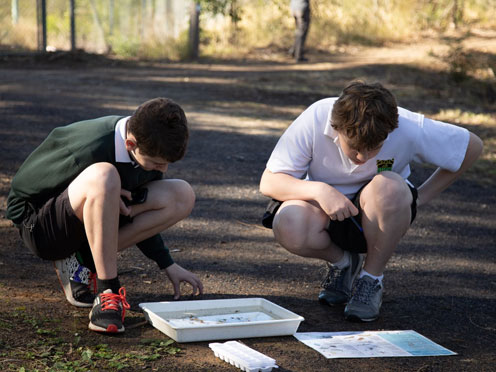
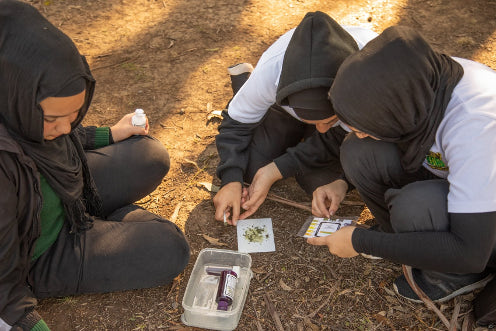
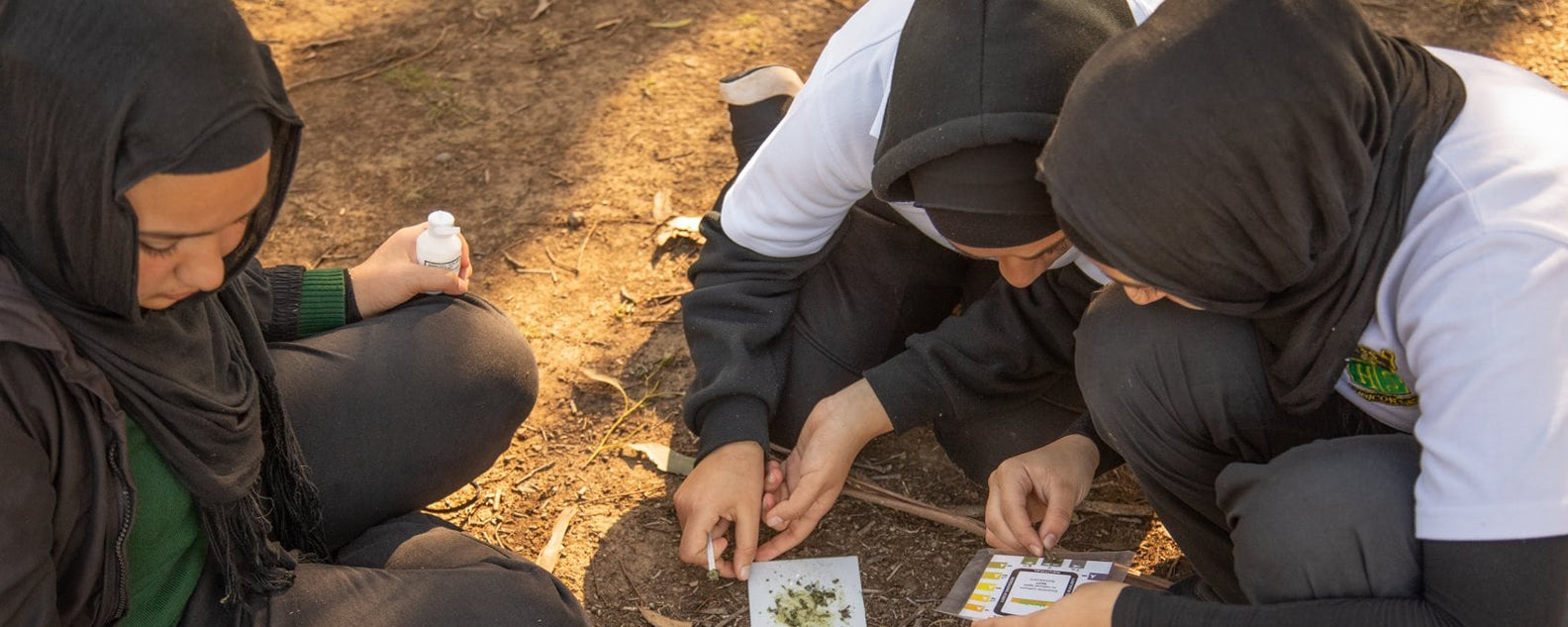
  • Conduct water quality tests at significant catchment zones in the Botanic Garden and use their data to assess the health of the aquatic ecosystem.
  • Use topographic maps to describe the movement of water around the site and design water management strategies for the Botanic Gardens.
  • Emulate active citizenship as they research and prepare arguments on behalf of community stakeholders in the allocation of water resources.

Key content

  • Investigate through fieldwork how natural and human processes influence the quality, distribution and availability of water as a resource.
  • Use an interactive river model to understand the physical processes that form waterways.
  • Understand the effect that uneven distribution of water resources has on people, places and environments.
  • Discuss approaches that can be used to sustainably manage water resources and reduce water scarcity.
  • Understand the significance of water to First Nations people, and learn about sustainable water management practices.

Links to New South Wales curriculum

Focus Syllabus Outcomes

Geography

  • Locates and describes the diverse features and characteristics of a range of places and environments (GE4-1)
  • Describes processes and influences that form and transform places and environments (GE4-2 )
  • Examines perspectives of people and organisations on a range of geographical issues (GE4-4) 
  • Discusses management of places and environments for their sustainability (GE4-5) 
School tour close up 1024x676

Discover the different components of river systems and how natural and human actions affect them.