Growing Rhipsalis
There is much to admire about the plant genus Rhipsalis.
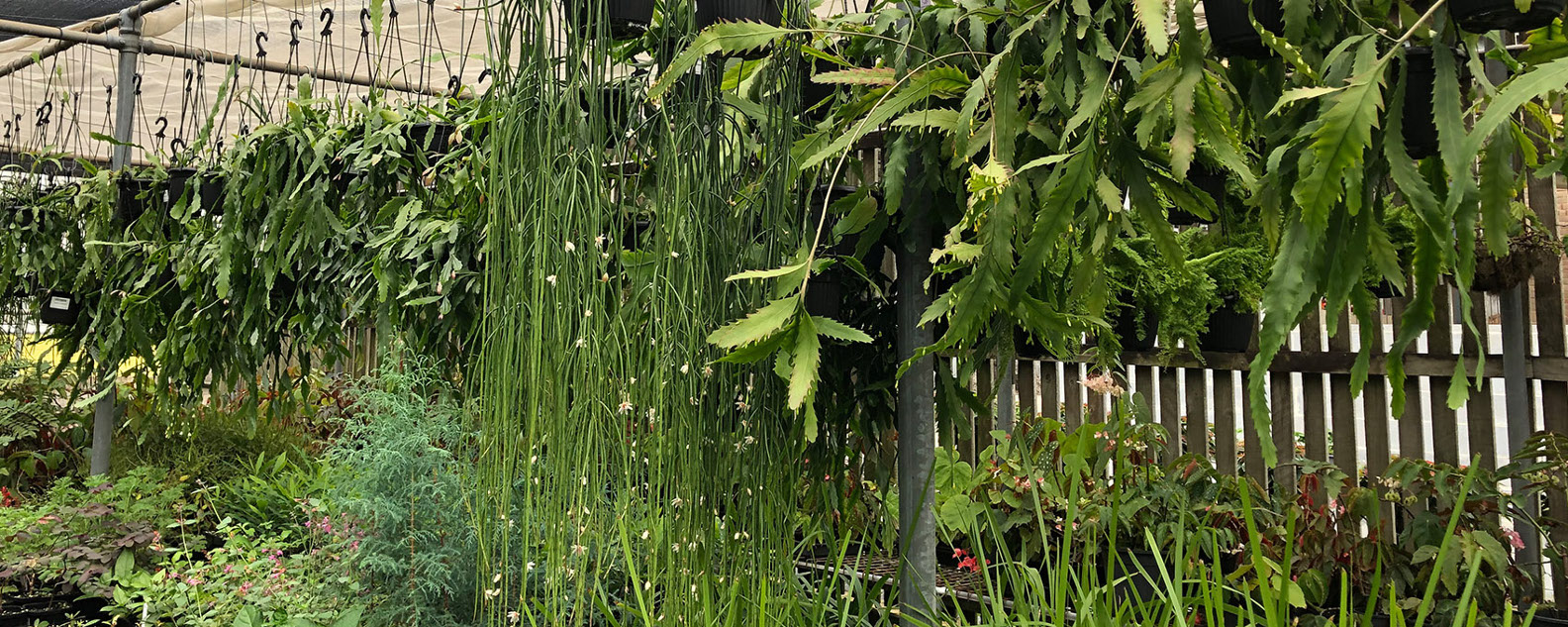
There is much to admire about the plant genus Rhipsalis. They are the largest genus of epiphytic cacti which means that in their natural environment they will grow on other plants for support and get nutrients from the air or small pools of water that collect on the host plant. As epiphytic plants their ability to survive in the canopies of trees makes these stunning plants incredibly tough and rewarding to grow.
In nature they are mostly found in the region of Central America, the northern part of South America and the Caribbean. Rhipsalis do not confirm to our stereotypical image of a cactus with an armoured coat of protective spikes. Some can be hairy but none have the spikes or spines traditionally associated with other members of the cactus family.
If you plan to grow Rhipsalis here are a few tips to get you started.
Use a potting mix that is well drained like a general cacti or orchid mix. They grow well in hanging baskets or vertical gardens where their foliage has space to hang over the edge. Give them a spot with morning sun or bright indirect light. In summer give your Rhipsalis plenty of water but ensure they have good drainage. Their roots will rot of they sit in stagnant water.
If you want vigorous growth, they will respond well to a monthly application of half strength liquid fertiliser in the warm season. In subtropical climates they will grow well outdoors in a semi shaded position or in a tree as nature intended.
In cooler regions these plants are fantastic indoors. Propagation of most Rhipsalis species could not be simpler. They will often produce aerial roots as they look for an anchorage point. They are propagated from cuttings which root easily, just make sure your propagation mix is free draining and keep the humidity up around the cuttings.
There are many species of Rhipsalis available from specialist growers and nurseries such as Growing Friends Plant Sales at the Royal Botanic Garden Sydney.
These are some of our favourites
Rhipsalis crispata are endemic to Brazil and grows best in a part shaded position with morning sun.
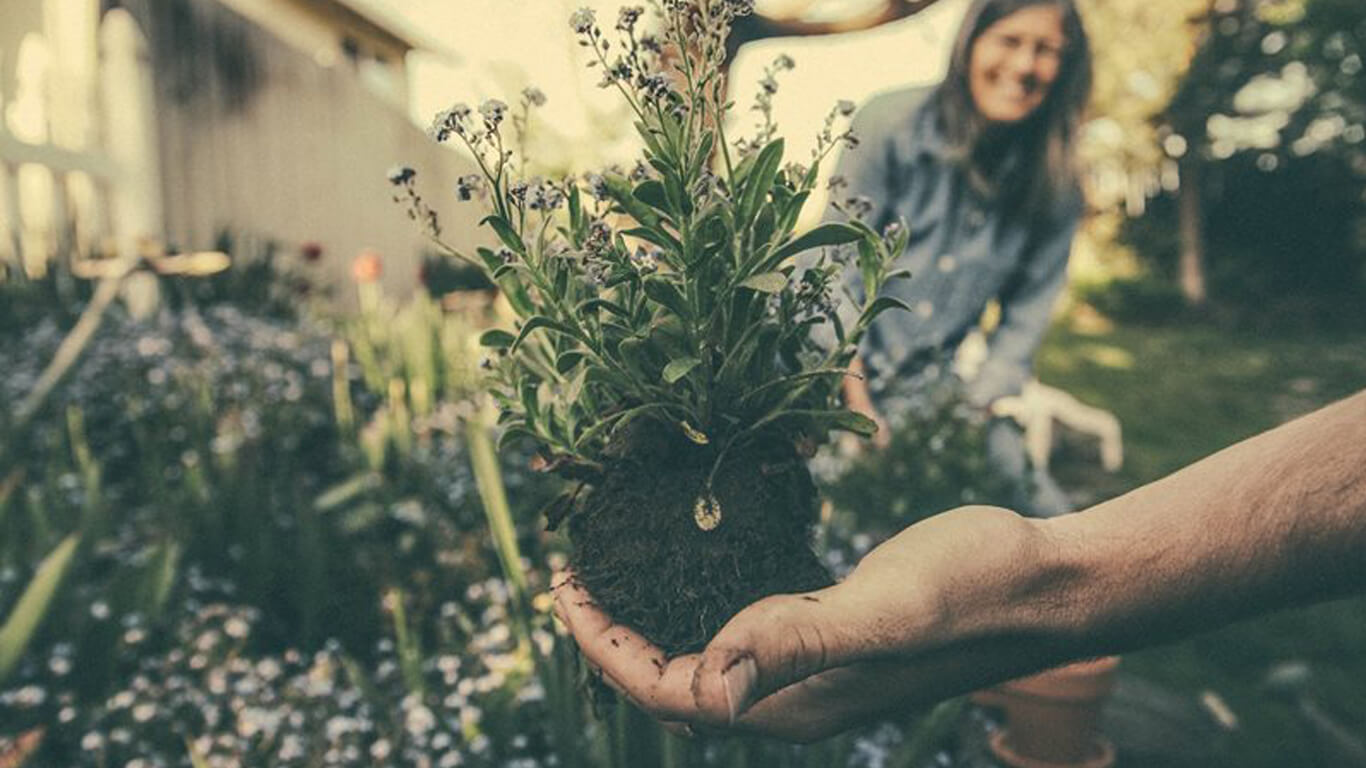
Sensory and therapeutic gardens can be used to engage all ages and abilities.
A safe space
That ultimate goal is to create a safe, welcoming atmosphere for people of all abilities to enjoy and spend more time in nature.
If you are thinking about creating a sensory garden consider the specific sensory limitations that can be explored and other ways of making the garden full of sensory pleasures.
By creating a safe space, people are encouraged to interact with plants and other elements in the garden, often directly. For instance, they may be encouraged to crush or taste a leaf or read a book on a cool, smooth rock.
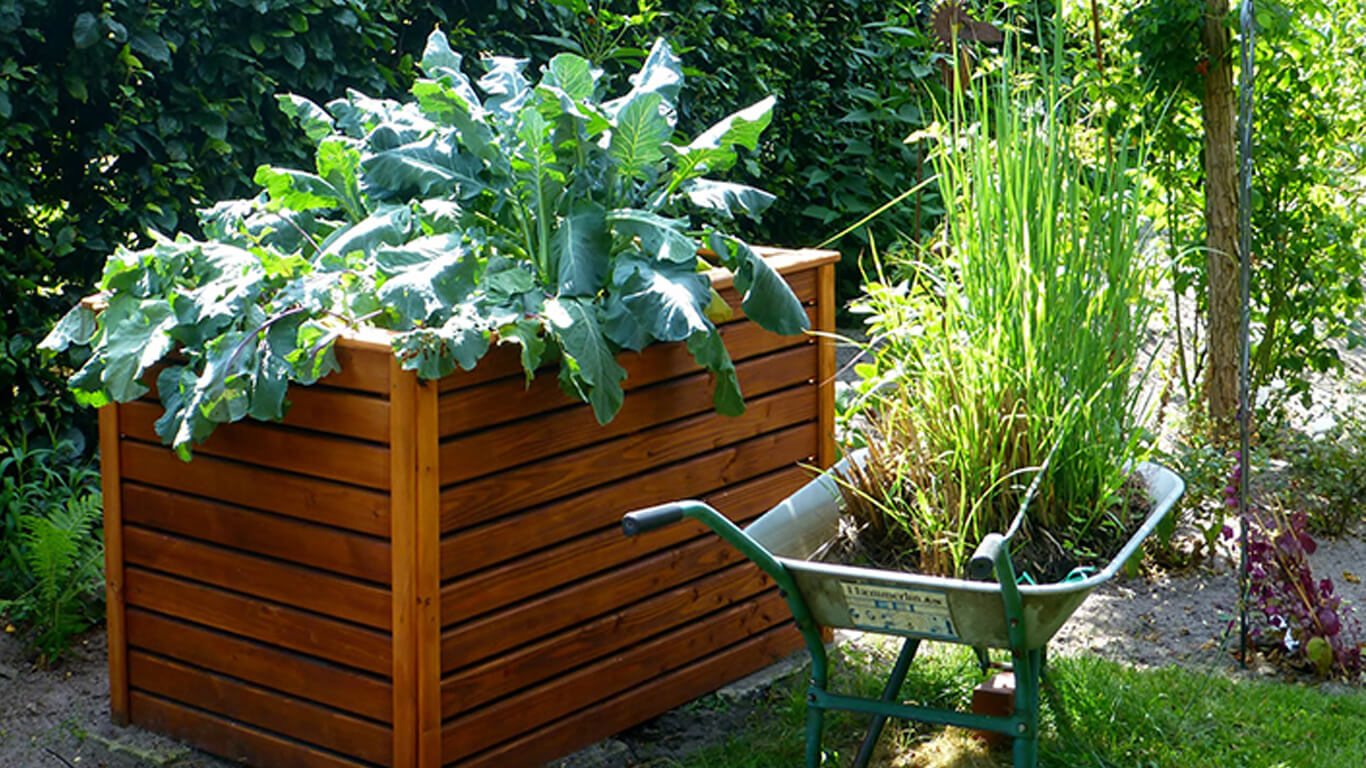
Raised garden beds are a great solution for gardeners with limited mobility.
Sensory plants
Low maintenance and hardy plant varieties such as French lavenders, bamboo, dianellas, lomandras or saltbush can cope with foot traffic and handling. Delicate flowers and herbs are a great addition to any garden and can be placed in planters or pots around the garden.
To the delight of many, some plants make sounds when dried - seed capsules rattle in the breeze and become impromptu musical instruments. Harvesting edible plants creates a sense of pride and can be recycled to make natural paints for activities in the garden. It's important to remember that all plants and garden accessories should non-toxic and sturdy.
Low maintenance and hardy plant varieties such as French lavenders, bamboo, dianellas, lomandras or saltbush can cope with foot traffic and handling.

Use hardy plants and materials that can cope with handling.
Nature as a healer
Sensory gardens can be places to relieve tension, reconnect with nature and create a sense of community while also improving physical and mental health. When we surveyed Community Greening participants, many of whom have established sensory gardens, the feedback demonstrated an 85% positive effect on health and 91% said it had a positive effect on their community; 73% are exercising more and 61% are eating better.
These gardens have been introduced in the school environment to allow students to experience the restorative properties of nature and compliment their curriculum. When learning about senses, students can design signs and symbols for the garden such as mouths next to a veggie patch or noses near a bed of roses.
People are also more inclined to interact with the plants and the environment if they know it's okay to smell, touch and taste them.
Aged care facilities, hospitals, mental health and drug and alcohol rehabilitation centres also harness the power of sensory gardens to help reduce anti-social behaviours and tackle economic disadvantage.
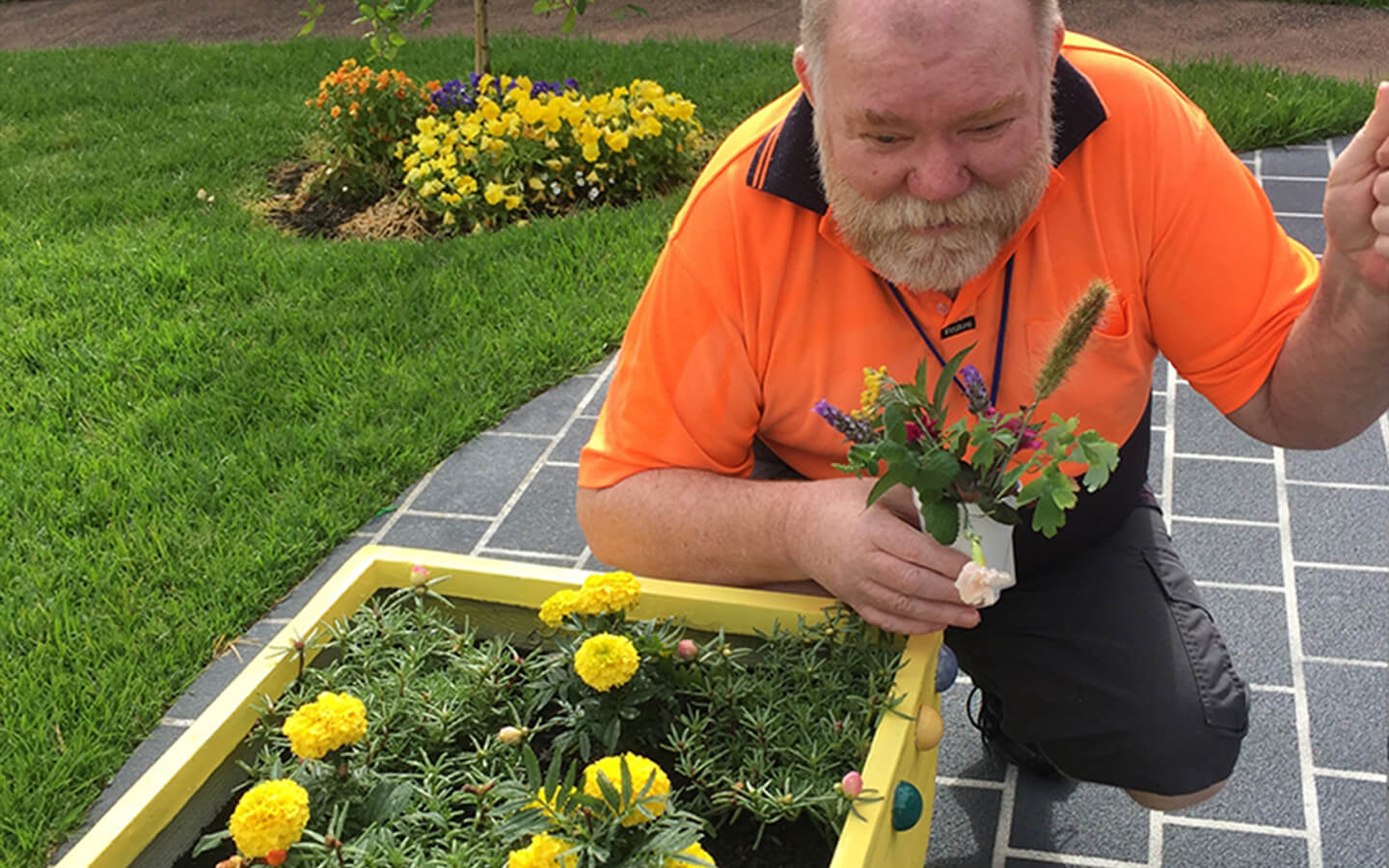
Alexi is a visually impaired gardener that uses brightly coloured pots and plants to help him see.
The Community Greening team establish special spaces for a variety of ages, backgrounds, landscapes and uses.
Visit the Herb Garden
Interested in visiting a Garden that entices with fragrant scents and textures? Read more about the Herb Garden at the Royal Botanic Garden Sydney and plan a visit.