Blue-ming time in the Blue Mountains
An extraordinary, otherworldly display of rare bright turquoise blooms is a sight not to be missed at the Blue Mountains Botanic Garden Mount Tomah.
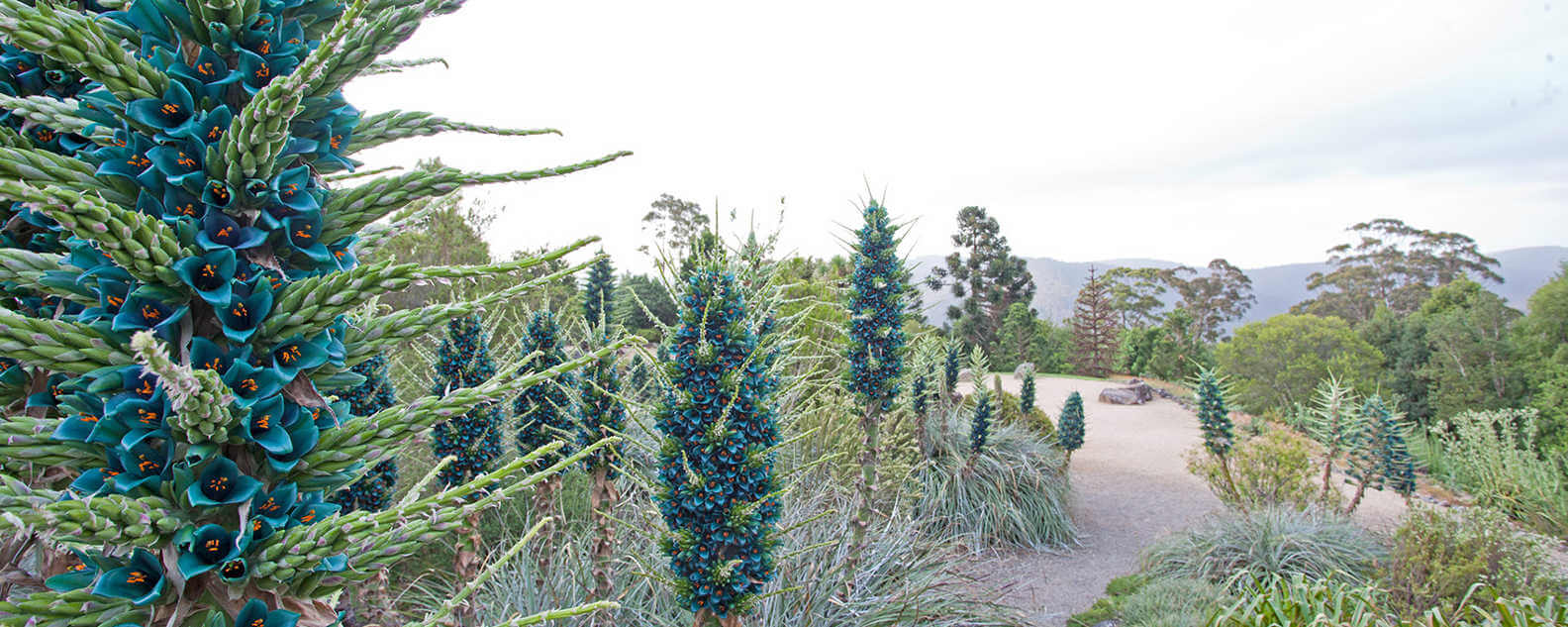
An extraordinary, otherworldly display of rare bright turquoise blooms is a sight not to be missed at the Blue Mountains Botanic Garden Mount Tomah.
With 2m tall spikes, the exotic Puya alpestris ssp. zeollneri, colloquially known as ‘sapphire towers’, hail from the mountains of Chile and each plant can take up to seven years to come into flower.
Ornamental Gardens & Nursery Supervisor Marion Whitehead, says the seeds of the Puya alpestris ssp. zeollneri at the Blue Mountains Botanic Garden were wild collected from Chile in the late 1980s by our botanists.
“It’s a combination of a few things that make the Puyas so special,” she says.
“Each individual plant can take up to seven years to flower which makes it all the more special when they do bloom. And they are shade of blue I’ve never seen anywhere else in nature; this otherworldly blue contrasted with the bright orange of their pollen and their thick waxy flowers make them the most unique flower in the garden.”
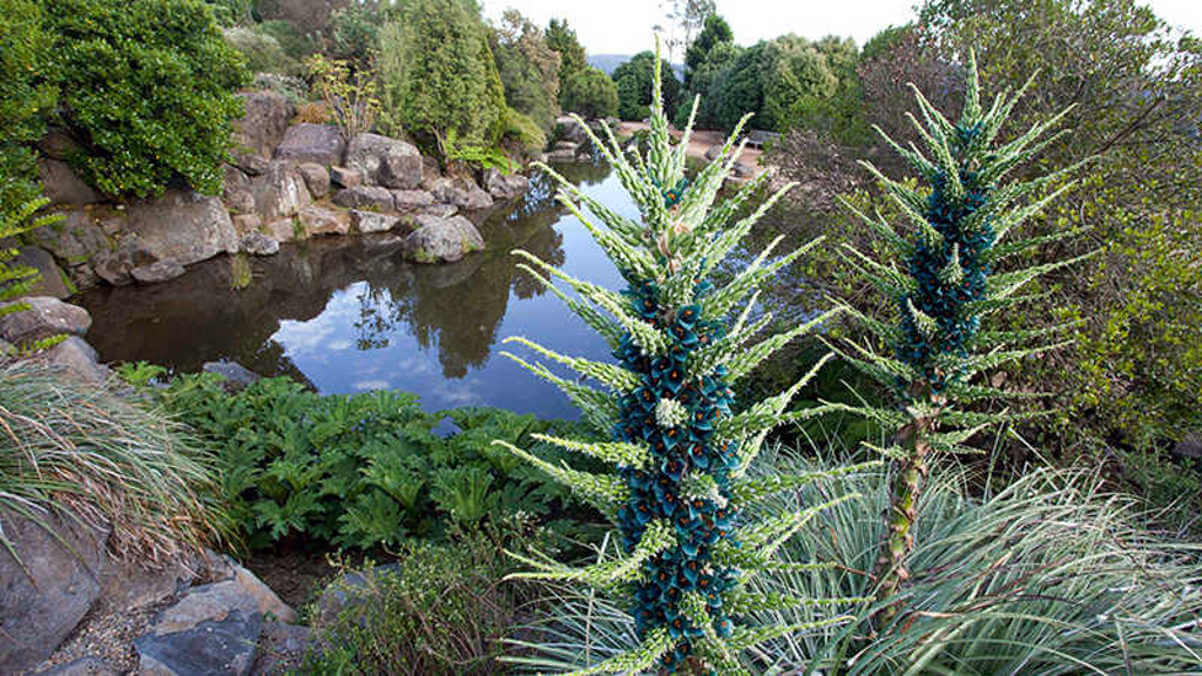
Puya alpestris ssp. zeollneri are colloquially coined 'sapphire towers'
A safe space
For the last couple of years the Puyas at the Garden have put on an amazing, extended display, with up to 40 flower spikes.
This year's display is likely to be another stand out, with so much rain over the last few months. “The Puyas respond well to consistent watering during their growing season and already we have seen one spike flowering profusely since late October.”
"This otherworldly blue contrasted with the bright orange of their pollen and their thick waxy flowers make them the most unique flower in the Garden.”
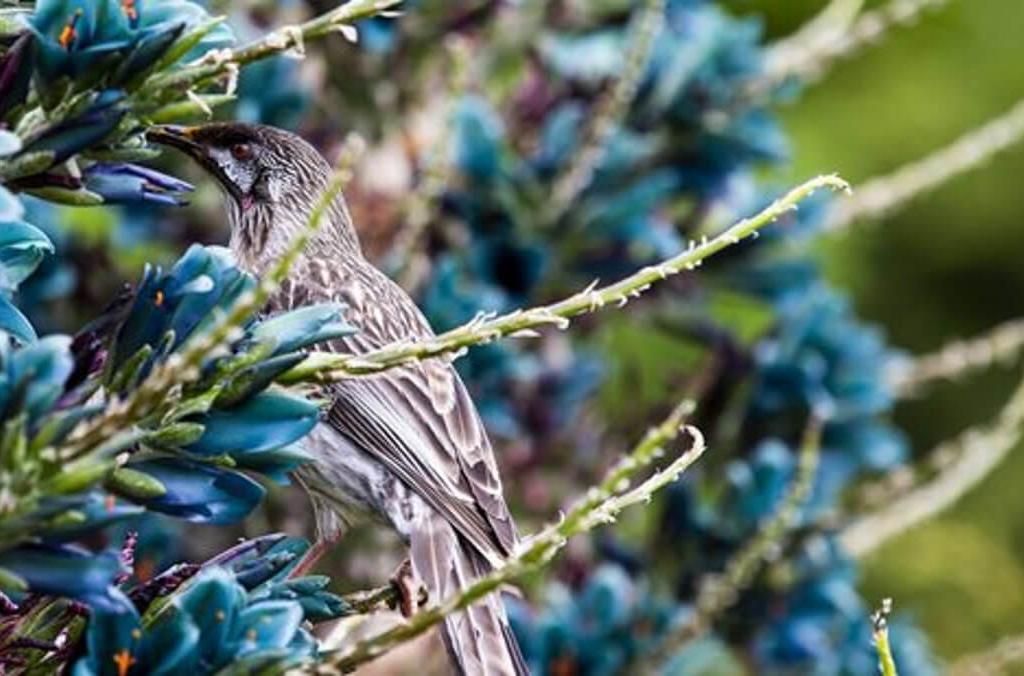
It’s not just the human visitors to the garden who are enamored by these towering wonders, with local Honeyeaters, Red Wattlebirds, and even the shy Eastern Spinebills making an appearance to feast on the Puya nectar.
In the past three years the Garden’s collection of Puyas has grown, with 10 new species planted in the garden. These new additions include Puya raimondii, the largest Puya with flower spikes up to a whopping 15 metres. Puya raimondii only flowers once in its 85-year life span; after flowering, the plant dies.
When to see the Puyas
Plan a visit to the Garden in November to see the stunning Puyas in bloom. The eucalyptus blue haze that gives the Blue Mountains their name is the perfect backdrop for this display.
The Puyas bloom until the end of November and may extend into mid-December, depending on the weather.
They are one of the most cold-hardy Bromeliads. 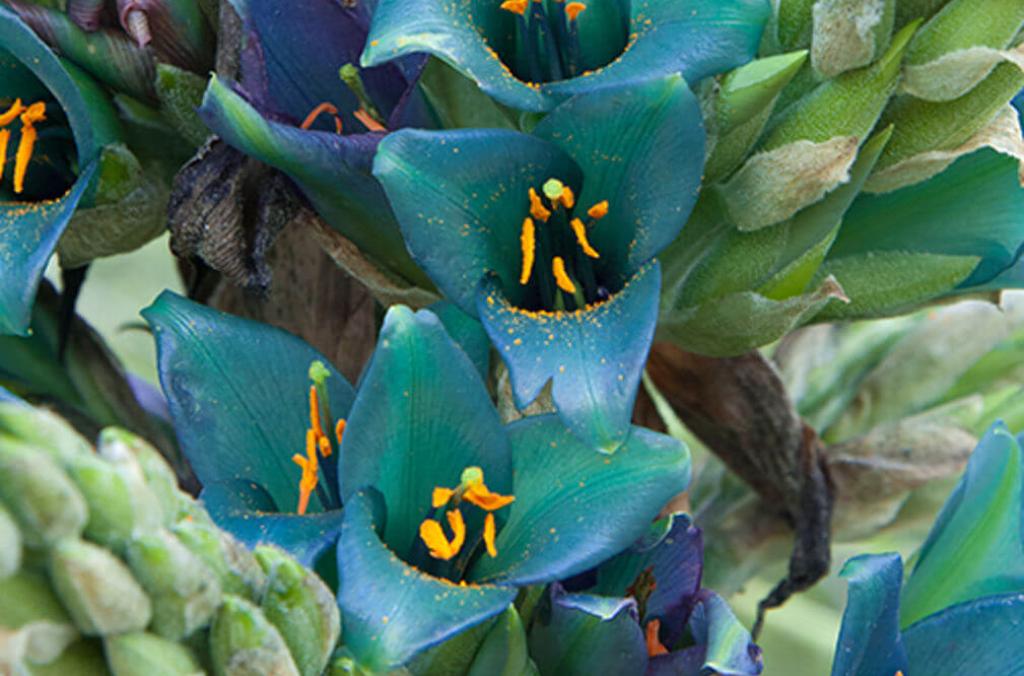
They grow in stony, arid areas, at altitudes from sea-level to 2200 metres.
Related stories
Now is a great time to visit two of our feature gardens, enjoy some flowering gems and say hello to their pollinating birds and insects.
Spring has arrived and you will find flowers from the four corners of the world in our Garden.
Spring has sprung early this year but don’t worry, we’ve got you covered.